The Ancient World
A Sea That Became
a Source
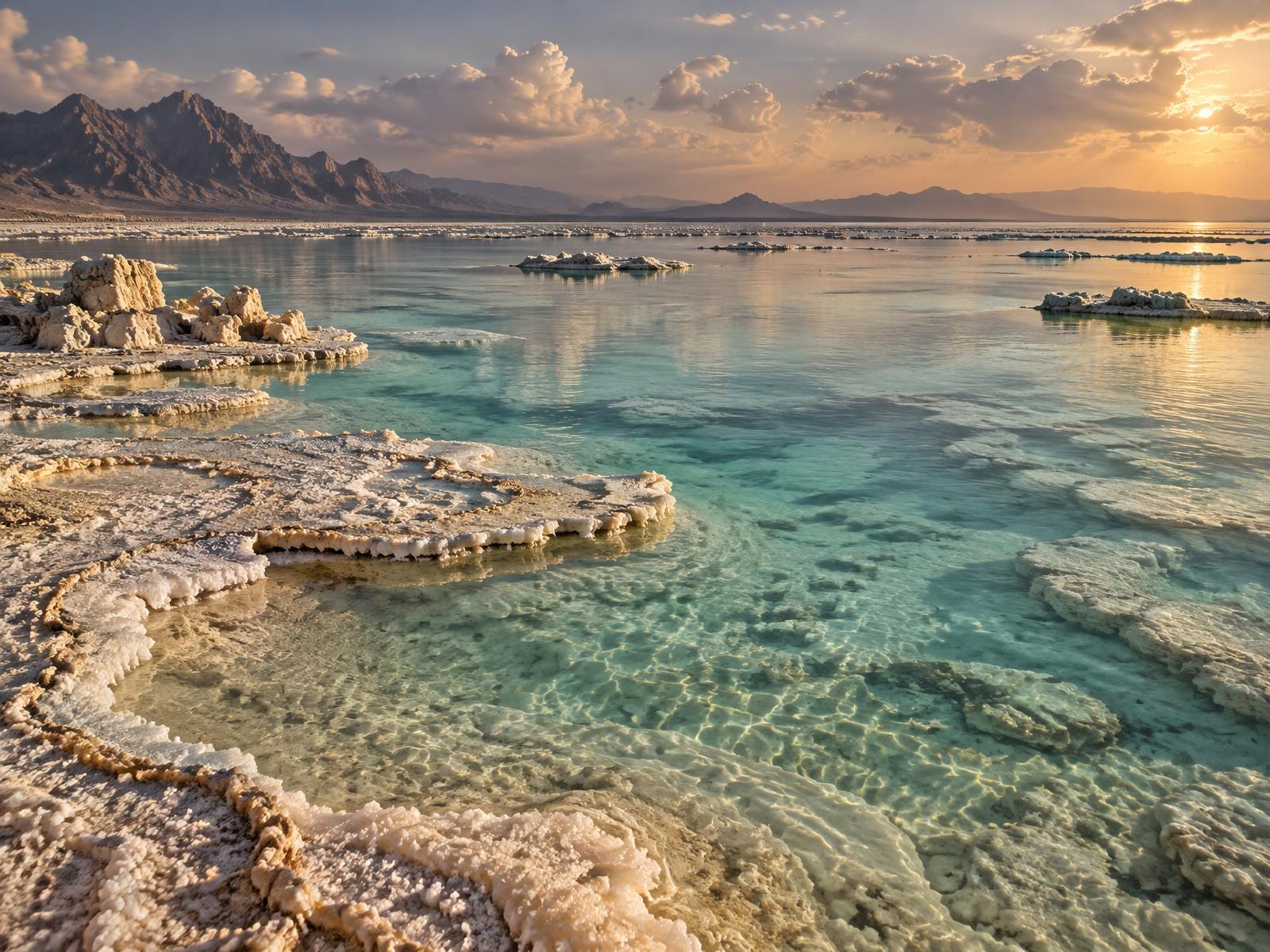
More than 250 million years ago, an ancient sea covered parts of Northern Europe.
What happened next created a geological legacy that still exists beneath the Netherlands today.
250 million years ago
Where It All Began
STEP BACK IN TIMEImagine standing on the shore of a vast inland sea, hundreds of millions of years ago. The air is warm and still. Shallow, mineral-rich water stretches to the horizon, and there is no human footprint anywhere on Earth.
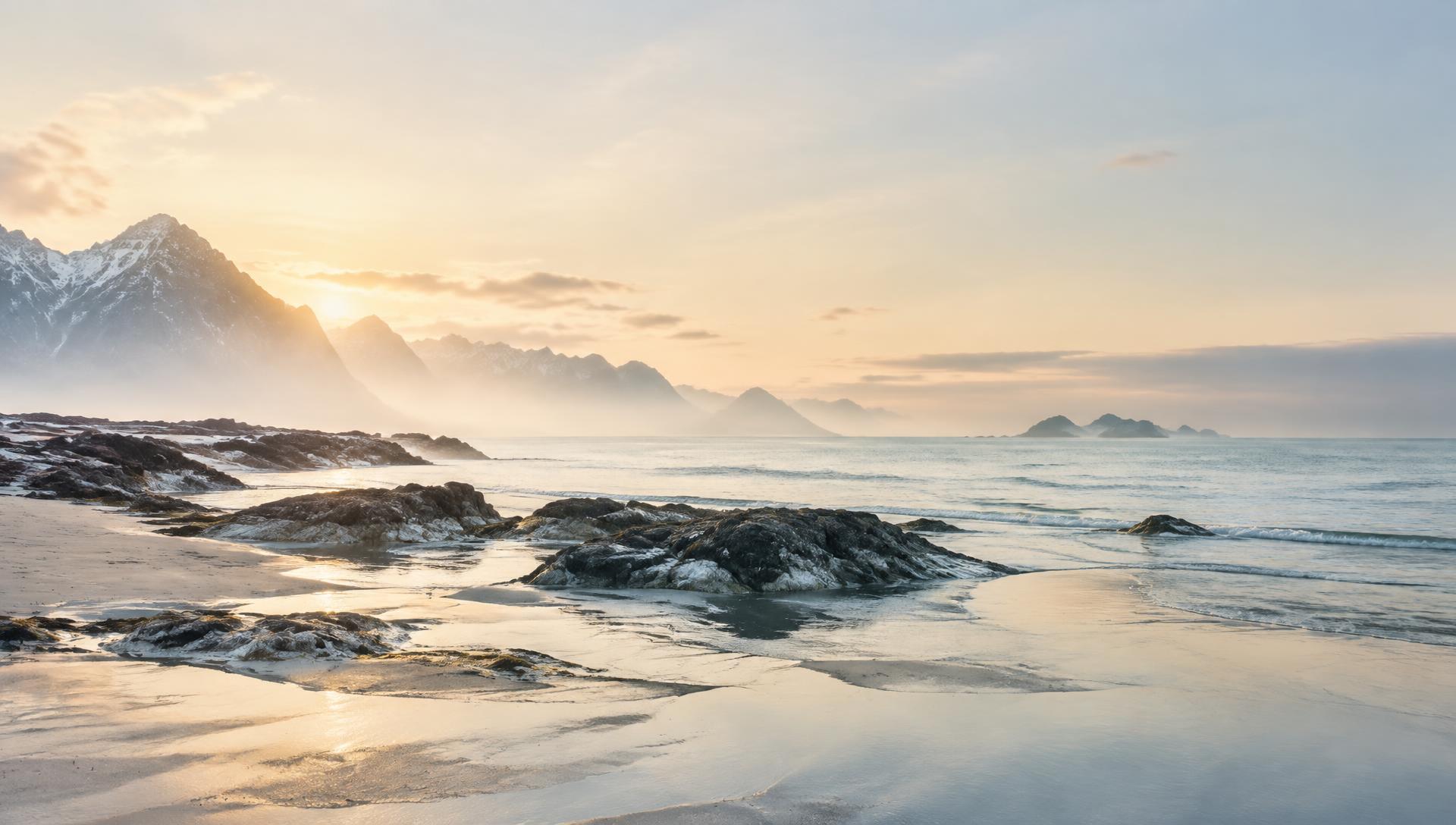
Time here moves on a scale that is hard to hold in the mind. Again and again, the sea reconnects to the wider ocean, is refilled, and slowly retreats.
Documented geologyThe Zechstein Group was deposited during the Late Permian, approximately 271–251 million years ago. Repeated marine flooding followed by evaporation created successive evaporite cycles — layered records of an ancient sea.
A sea in cycles
The Sea Came. The Sea Receded.
Again and Again.
Evaporation was not simply a sea drying out. It was a natural process of mineral concentration and separation — and evaporite sequences record it layer by layer.
- 01
Marine Flooding
Sea water enters the basin.
- 02
Restricted Basin
The water becomes increasingly isolated and concentrated.
- 03
Evaporation
Water is progressively lost through evaporation.
- 04
Minerals Precipitate
Different minerals precipitate as salinity increases.
- 05
A New Cycle
Another influx of marine water begins the process again.
The classic Zechstein evaporite progression, as described in Dutch geological sources.
The magnesium layer
When the Water Became
a Mineral Archive
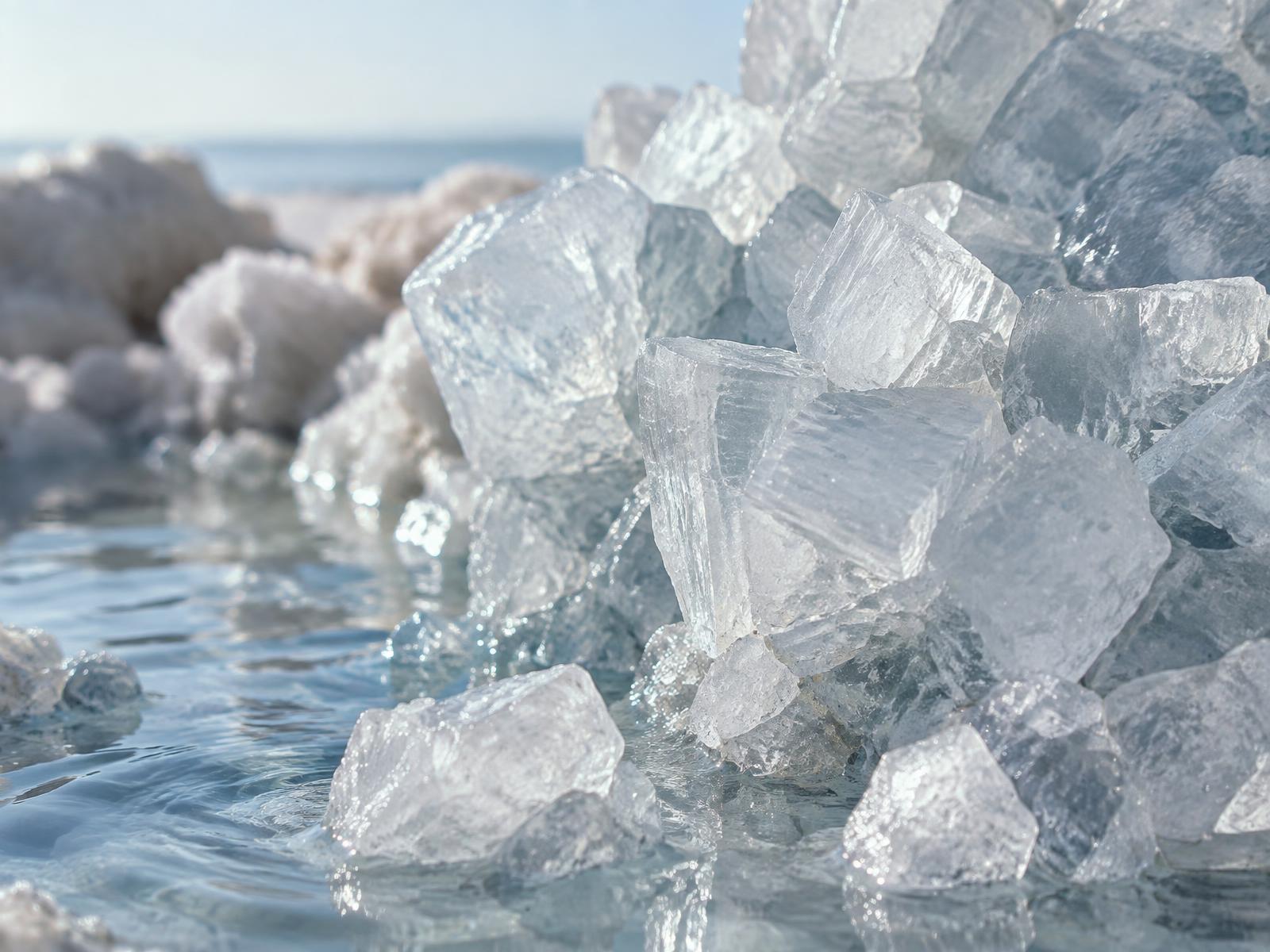
As evaporation continued and salinity increased, minerals precipitated in stages.
Magnesium and potassium salts occur toward the later stages of the evaporite sequence, after carbonates, anhydrite and halite. Among the magnesium-bearing minerals associated with the Zechstein deposits is bischofite, a magnesium chloride mineral.
The magnesium was not added later. It is part of the original geological story of the deposit — the result of a very specific sequence of concentration, precipitation and preservation over geological time.
Geological time
Then Time Took Over
The deeper we go, the older the story becomes.
~250+ million years ago
Zechstein marine environments and evaporite deposition.
Millions of years
The deposits are buried beneath successive layers of sediment and rock.
Geological pressure & movement
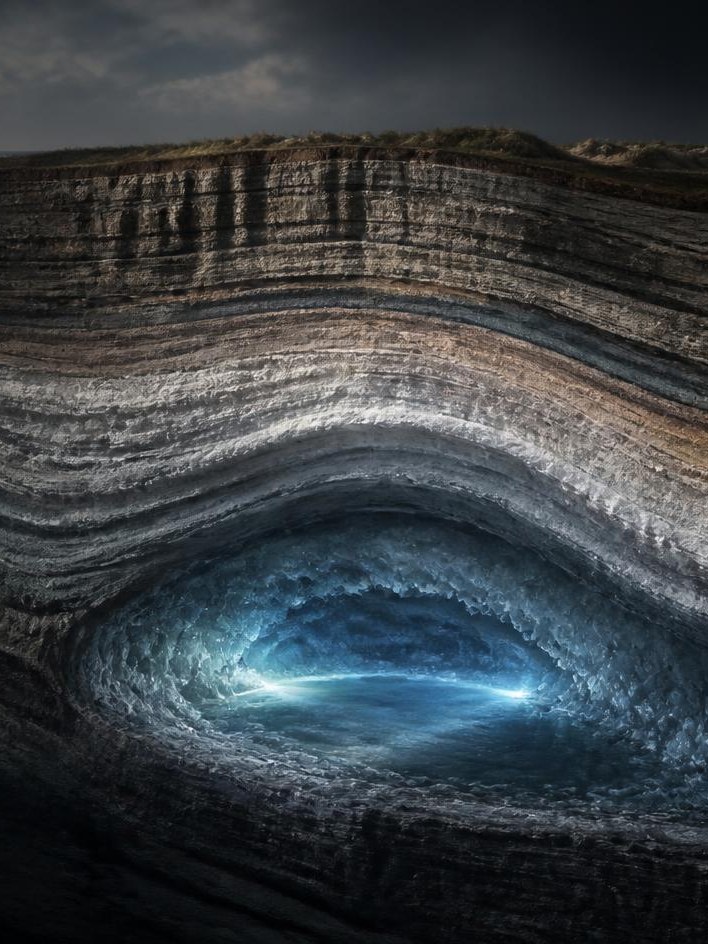
The salt behaves plastically underground and is redistributed into structures including salt pillows and diapirs.
Today
The ancient deposit remains deep beneath Northern Europe.
Beneath the surface
Protected by
the Earth Itself
Once the Zechstein Sea disappeared, its mineral-rich salts did not simply remain exposed at the surface. Over immense stretches of geological time, layer after layer of rock and sediment accumulated above them, gradually burying the ancient deposits deep beneath the Earth.
There, far removed from the modern surface environment, the salts remained enclosed within the geological structure that formed around them. The world above changed dramatically, seas came and went, landscapes shifted, and entire ecosystems evolved while deep below, this ancient mineral deposit remained largely isolated from those changes.
This is what makes the Zechstein source so remarkable. It is a story of natural preservation: a mineral deposit formed in an ancient sea and subsequently sealed within the Earth, protected by the very geological layers that surround it.
For millions of years, the Earth itself became its shield.
Today, the source is reached from deep underground, where the ancient deposit remains within its geological setting, connecting a mineral story that began in a vanished sea to the wellness experiences of the modern world.
Why here?
Why the Netherlands?
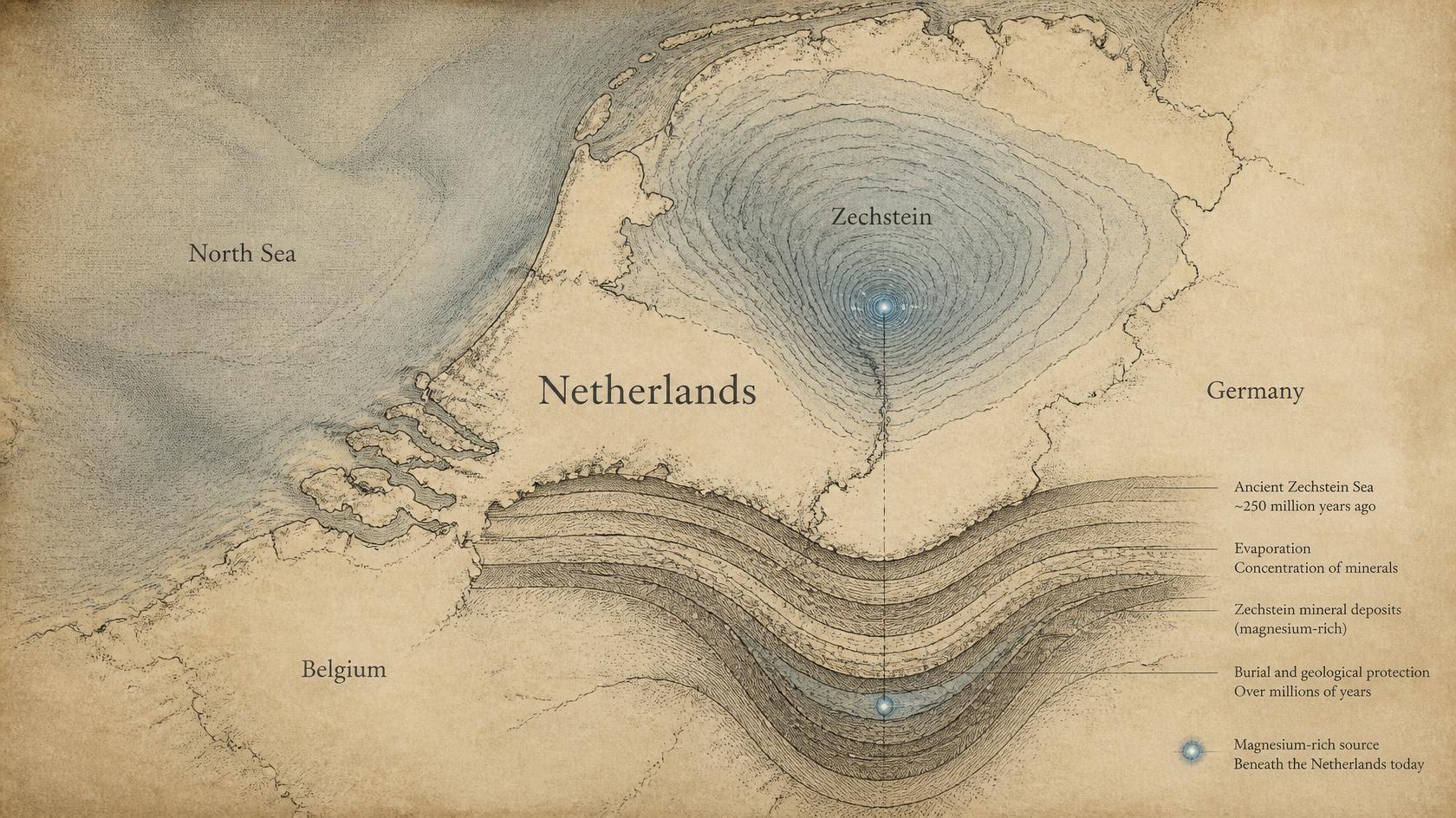
Zechstein deposits occur across a broad region of northern Europe, but the geological structures and composition vary considerably from place to place. Beneath Veendam lies a distinctive one.
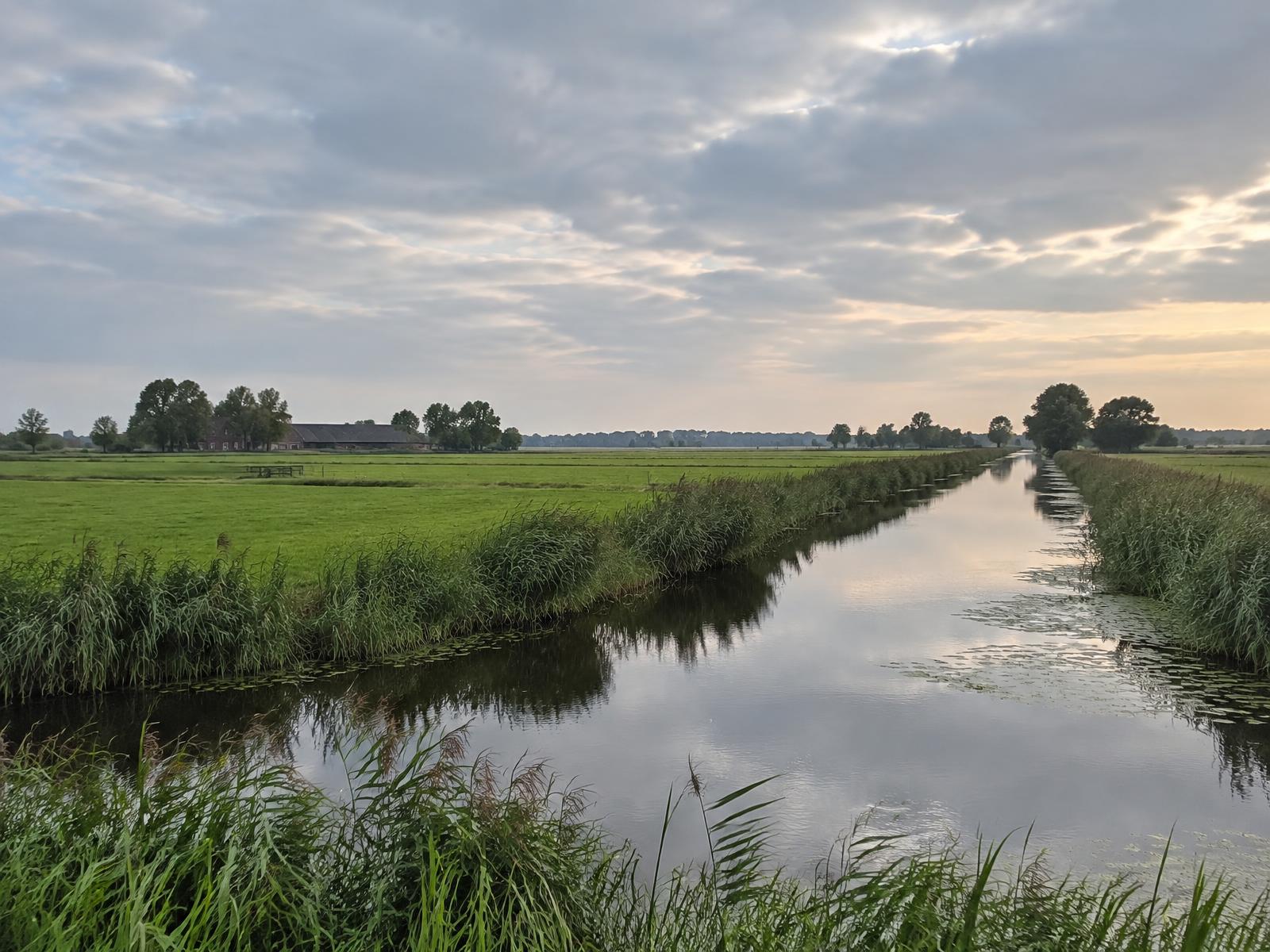
What looks ordinary from above
is extraordinary below.
Veendam, The Netherlands
An Ancient Deposit Beneath
a Modern Landscape
Near Veendam, Zechstein magnesium salts occur within a distinctive deep underground salt structure known as the Veendam salt pillow. Dutch geological documentation describes the relevant Zechstein formations at substantial depth, and magnesium chloride is produced from these deposits.
Above Fields, waterways, villages and open sky.Below A geological structure created hundreds of millions of years ago.
From ancient source to modern extraction
From Ancient Source
to Modern Extraction
The ancient mineral deposit beneath Veendam is still accessed today.
Magnesium-rich brine is extracted directly from the Zechstein formation, connecting the geological story of an ancient sea with a source used in the modern world.
The ZI Protocol
A dedicated testing protocol that examines the source at every stage, helping verify its characteristics and maintain a clear understanding of what is extracted.
- 01Before extraction
- 02During extraction
- 03After extraction
The source is the starting point.
The protocol is the proof.
Provenance
Not All Magnesium
Has the Same Story
Magnesium comes from many different sources, each with its own geological or industrial history. Origin matters. This is not a comparison — it is an invitation to look deeper at where a mineral comes from.
- 01Ancient marine origin
- 02Evaporite formation
- 03Deep geological preservation
- 04Magnesium-rich Zechstein deposit
- 05Extraction at Veendam
- 06Ongoing monitoring through the ZI Protocol
Every mineral has a story. This is the story of Zechstein.
Purity written into the geology
Purity Written Into the Geology
The story of Zechstein begins long before extraction — with an ancient sea, cycles of evaporation and mineral precipitation, and geological processes that formed and preserved the deposit over more than 250 million years.
Today, the source is monitored through the ZI Protocol before, during and after extraction. Its geological origin is not simply a detail of its history. It is part of what makes Zechstein what it is.
The purity story begins with the source.
The source today
The Ancient Source
Is Still Here
Beneath the landscape of the northern Netherlands lies a mineral story that began hundreds of millions of years ago.
Today, magnesium chloride is extracted from the Zechstein deposits beneath Veendam, connecting an ancient geological event with modern applications in wellness, spa, industry and beyond.
The Zechstein Source
The World's Purest Magnesium Chloride
An ancient marine origin. A rare geological formation. Millions of years of burial and preservation. And a source found beneath a very specific place in the modern world.
This is Zechstein.
Why we call it the world's purestContinue exploring
The story didn't end
250 million years ago.
It is being experienced, studied, developed and shared today.